
Global Agriculture Outlook 2025–2026: Price Pressure, Climate Risk and the Role of Farm Resilience
Global agriculture is entering 2025–2026 under continued economic pressure. While input cost inflation has eased in parts of Europe, output prices remain volatile and, in many sectors, structurally constrained. This limits margin recovery and increases the importance of risk management at farm level.
Agricultural prices and market dynamics
According to Eurostat, agricultural output prices in the European Union increased by 5.6% year-on-year in Q2 2025, while non-investment input costs rose by only 0.4%. Although this provided some average margin relief, the reality differs strongly by region and crop.
On global commodity markets, cereal prices remained under pressure throughout much of 2025 due to ample supply and favourable harvest expectations. Short-term price rebounds occurred, but overall price formation continued to be driven by supply fundamentals rather than scarcity.
In North-Western Europe, potato markets faced additional challenges. Oversupply, weather-related quality losses and imbalances between contract volumes and free market sales reduced profitability across several production regions.
Looking ahead, the World Bank Commodity Markets Outlook expects agricultural commodity prices to remain broadly stable or slightly lower in 2026, assuming normal weather conditions. This indicates that higher output prices alone are unlikely to restore farm margins.
Climate risk as a structural economic factor
Climate variability has become a permanent economic reality for agriculture. EU-supported studies estimate annual agricultural losses from extreme weather events at approximately €28 billion, of which only 20–30% is insured. This exposes farmers to increasing financial risk and underlines the need for preventive, resilience-based strategies.

Building resilience through soil and nutrient efficiency
Against this backdrop, resilience is no longer optional — it is a core element of farm economics. Across Europe and beyond, farmers are investing more deliberately in soil health, organic matter and nutrient efficiency to stabilise yields, control costs and reduce dependency on volatile raw material markets.
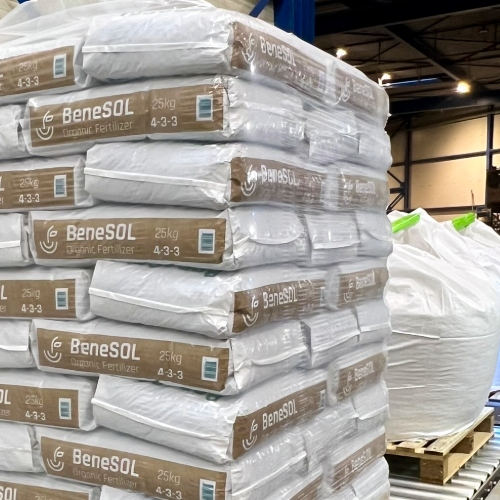
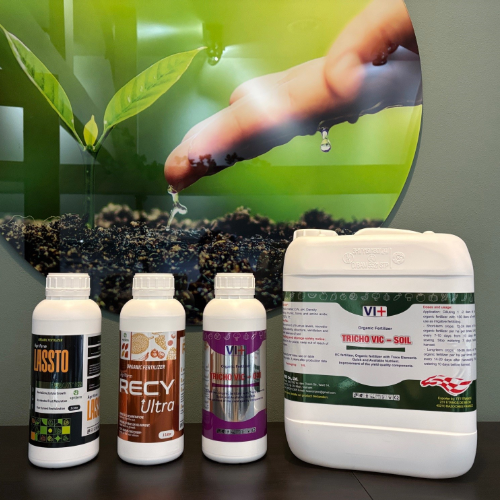
At Benefert BV, we see this shift as a rational and forward-looking development. Circular, organic-based nutrient strategies support stronger soils, healthier crops and more predictable economic outcomes. By improving nutrient efficiency and soil structure, these approaches help farmers manage risk and build a solid foundation for 2026 and beyond.

Sources: Eurostat · FAO · World Bank · European Commission (DG AGRI & JRC) · Reuters · national statistical offices (incl. CBS)